

How to Prepare Your Home for Professional Pest Control Treatment
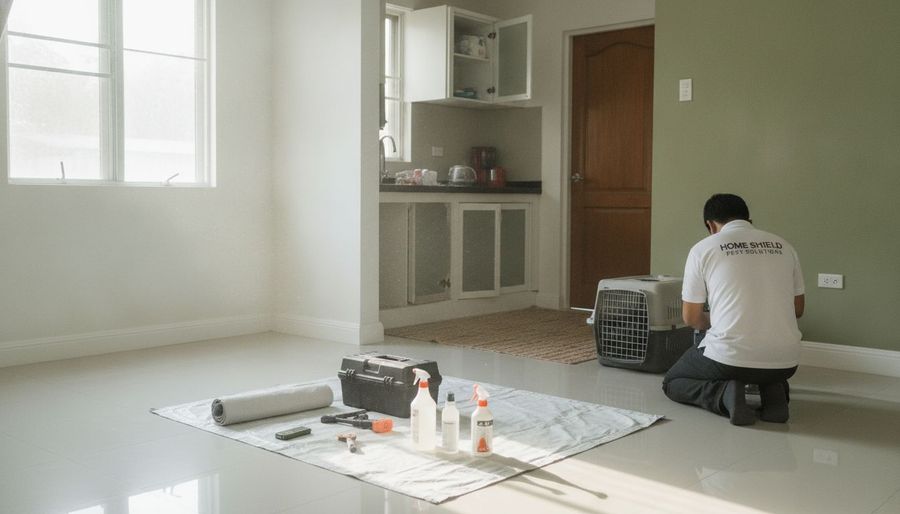
A well-prepared home allows a licensed technician to work efficiently, reach the areas where pests hide, and apply treatment with the safety margins that protect your family and pets. If you have scheduled a residential service in Las Piñas, the steps below will help you get the space ready before the team arrives.
Why preparation matters
Pest control products are selected and applied based on where pests live and travel. Clutter, covered surfaces, and household items in the way reduce contact with target zones and can shorten the effectiveness of the treatment. Clearing the space also limits the chance that food, toys, or bedding come into contact with residues during application.
Step 1: Clear access to corners, cabinets, and crawl spaces
Technicians need to inspect and treat along baseboards, wall voids, under sinks, behind appliances, and inside cabinets. Move light furniture, storage boxes, and loose items away from walls so corners and edges are reachable.
- Pull appliances, sofas, and beds a few inches from the wall where safe to do so.
- Open kitchen and bathroom cabinets under sinks.
- Clear clutter from closets, storage areas, and crawl-space entrances.
- Remove items from floors in target rooms so the technician can move freely with equipment.
Step 2: Store food, dishes, and children's toys securely
Any item that may go into a mouth or touch food preparation surfaces should be protected before treatment begins. Even when products are labeled safe for residential use, it is standard practice to keep consumables and children's items out of the treatment path.
- Seal dry food, snacks, and pet food in airtight containers or place them in a closed cabinet outside the treatment zone.
- Cover dishes, cups, and cooking utensils, or store them in cupboards that will remain closed during service.
- Pack away children's toys, stuffed animals, and teething items in sealed bins or relocate them to an untreated room.
- Wipe down countertops and dining surfaces after the treatment before placing food on them again.
Step 3: Arrange safe accommodation for pets
Pets should be away from the home during treatment and for the recommended re-entry period afterward. Birds, reptiles, and small mammals are especially sensitive to airborne products, so plan relocation well in advance.
- Board dogs and cats with a trusted neighbor, family member, or pet hotel for the day.
- Remove pet bedding, food bowls, toys, and litter boxes from treated areas, or cover them securely.
- Tell the technician which rooms contained pets and where pet items are stored.
- Ask your service provider for the exact re-entry time before bringing pets back inside.
Step 4: Cover aquariums and unplug air purifiers
Aquariums and active filtration systems can be affected by fine mist or airborne particles. Taking a few minutes to secure them reduces risk and protects sensitive equipment.
- Cover aquariums, terrariums, and fish tanks with a tight-fitting sheet or plastic cover, and turn off air pumps during treatment.
- Unplug air purifiers, fans, and HVAC units that would draw air through treated spaces until re-entry is approved.
- Move portable humidifiers and dehumidifiers out of the immediate treatment area if requested by the technician.
What to expect during the technician's visit
When the technician arrives, they will confirm the service plan, inspect the areas you have reported, and identify additional harborages. Treatment is then applied according to the pest type and the product label, with care taken around food-prep surfaces, bedding, and occupied spaces.
- You may be asked to leave the premises for a set period depending on the product and application method.
- The technician will post any required safety notices or re-entry instructions before leaving.
- A typical residential treatment can range from one to several hours based on property size and infestation level.
- Feel free to ask questions about where product was applied and what surfaces should be left untouched initially.
Step 5: Ventilate and follow re-entry timelines
After the treatment, ventilation helps products settle and air quality return to normal. Your technician will give you a specific timeline, but general guidance is outlined below.
| Step | Guideline |
|---|---|
| Ventilation | Open windows and doors for the period recommended by the technician, usually 30 minutes to 2 hours. |
| Re-entry | Do not re-enter until the advised interval has passed. Children and pets should return only after this window. |
| Cleaning | Wipe down food-prep surfaces before use. Avoid mopping or scrubbing treated baseboards for the period specified. |
| Monitoring | Watch for pest activity over the next 7–14 days and report any continued sightings to your provider. |
Quick pre-treatment checklist
- Move furniture and items away from walls and corners.
- Open cabinets under sinks and clear storage areas.
- Seal or remove food, dishes, and children's toys.
- Relocate pets and cover or remove pet items.
- Cover aquariums and turn off air pumps.
- Unplug air purifiers, fans, and HVAC units as directed.
- Confirm the appointment time and any access instructions.
Key takeaway: Preparing your home before pest control treatment protects your family, pets, and belongings while giving the technician full access to the areas where pests hide. Following the ventilation and re-entry guidance afterward helps the treatment work as intended.
If you are ready to schedule a licensed residential service in Las Piñas, visit our Residential Pest Control page to book a home treatment or request an inspection.
